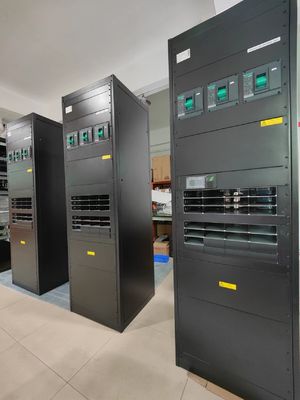
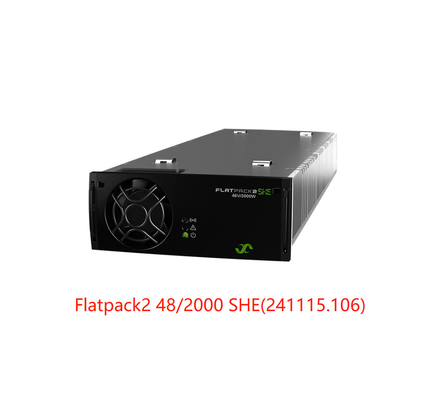
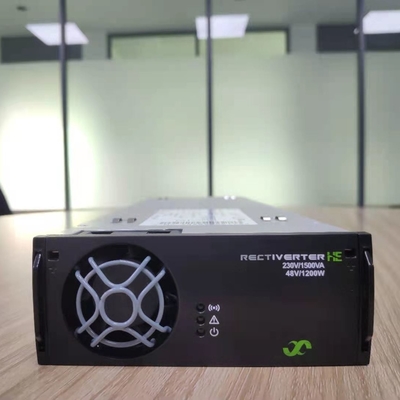
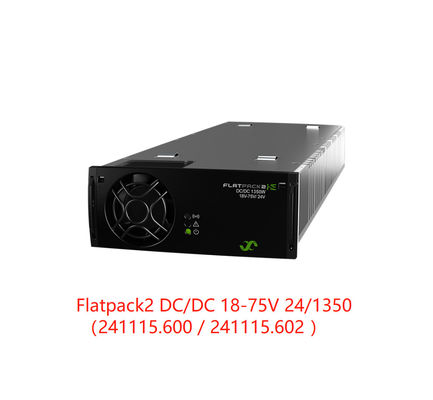
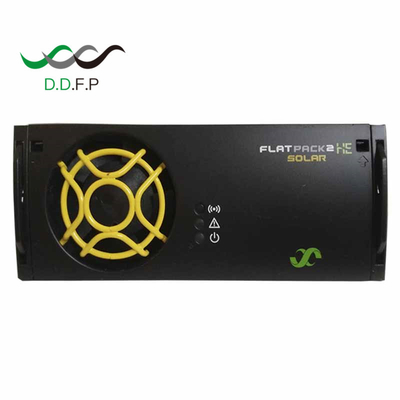
Με την επιτάχυνση του βιομηχανικού ευφυούς μετασχηματισμού στην Ανατολική Ευρώπη, η πυκνότητα ενσωμάτωσης εξοπλισμού σε κέντρα δεδομένων και αυτοματοποιημένες γραμμές παραγωγής συνεχίζει να αυξάνεται.Έλλειψη χώρου μέσα σε χώρους υψηλής πυκνότητας σερβερ, σε συνδυασμό με την κακή διάχυση της θερμότητας σε στενά περιβάλλοντα, γίνονται οι κύριοι παράγοντες που απειλούν τη συνεχή λειτουργία της επιχείρησης.Υπό τις διπλές προκλήσεις των παροδικών διακυμάνσεων του δικτύου και των σοβαρών περιορισμών χώρου, η επιλογή ενός εναλλασσόμενου ενεργειακού πηγού που εξισορροπεί ένα συμπαγές αποτύπωμα με εξαιρετική σταθερότητα είναι βασικός στόχος για τους σύγχρονους βιομηχανικούς ηλεκτρολόγους.
Σημεία πόνου βιομηχανικής ενέργειας υπό διπλές περιορισμούς χώρου και εξαερισμού
Σε πολλές αίθουσες διακομιστών υψηλής πυκνότητας που έχουν αναβαθμισθεί από παλαιότερα βιομηχανικά κτίρια στην Ανατολική Ευρώπη, το φυσικό αποτύπωμα που προορίζεται για τα συστήματα ηλεκτρικής ενέργειας είναι εξαιρετικά περιορισμένο.Οι παραδοσιακές μονολιθικές μονάδες UPS ή μεγάλοι μετατροπείς όχι μόνο καταναλώνουν σημαντικό χώρο στη βάση, αλλά είναι επίσης επιρρεπείς σε θερμική απόδραση σε περιορισμένους χώρους λόγω τοπικής συσσώρευσης θερμότηταςΓια τους ελεγκτές της σιδηροδρομικής διαμετακόμισης, τους υπολογιστές και τα βιομηχανικά φορτία ακριβείας, οποιαδήποτε παροδική διακοπή τάσης έχει ως αποτέλεσμα καταστροφικές απώλειες σε χρόνο διακοπής.Συνεπώς, η αγορά απαιτεί υψηλότερα παραμετρικά πρότυπα για τις διαστάσεις του συστήματος, τη θερμική αρχιτεκτονική και την ηλεκτρική μόνωση.
Αποδόμηση βασικών παραμέτρων: Τεχνικά κριτήρια επιλογής για περιορισμένους χώρους
Για την αντιμετώπιση υψηλής πυκνότητας και ακραίων συνθηκών εργασίας, η ηλεκτρική επιλογή πρέπει να επικεντρώνεται σε βασικές φυσικές μετρήσεις και δυναμικές δυνατότητες απόκρισης.Οι ακόλουθοι τεχνικοί δείκτες αναφοράς παρέχουν οριστική τεχνική υποστήριξη για τις συνεχείς βιομηχανικές λειτουργίες:
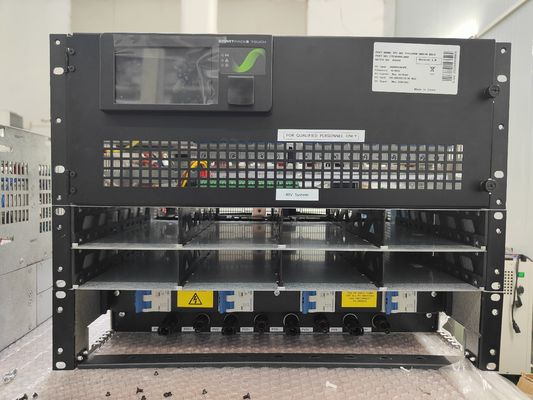
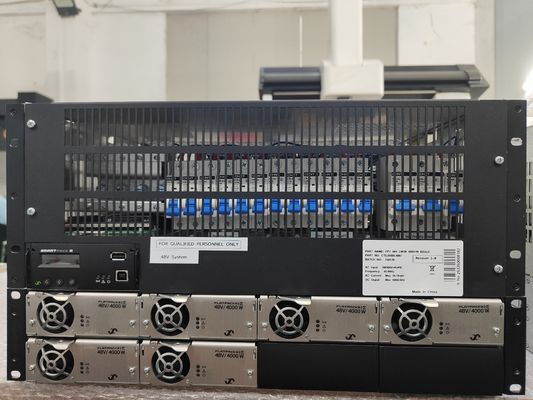
· 2RU Αρχιτεκτονική υψηλής πυκνότητας επιλύει τα όρια του χώρουΤο σύστημα παρέχει υψηλή πυκνότητα ισχύος έως και 12 kVA σε μόλις 2RU χώρου.Ελευθερώνοντας πολύτιμα φυσικά ακίνητα σε στενό, υψηλής πυκνότητας αίθουσες διακομιστών.
· 4300 Vdc Η διηλεκτρική αντοχή δημιουργεί ένα ισχυρό όριο ασφάλειας: Τα βιομηχανικά δίκτυα σε τμήματα της Ανατολικής Ευρώπης είναι εξαιρετικά ευαίσθητα στις εξωτερικές διακυμάνσεις υπερτάσης.δημιουργία ενός υψηλού επιπέδου ηλεκτρικού φραγμού απομόνωσης που εμποδίζει αποτελεσματικά τον κίνδυνο υπερτάσεων υψηλής τάσης που καταστρέφουν κρίσιμα φορτία.
· Ο χρόνος μεταφοράς 0 δευτερολέπτων αποτρέπει απρογραμμάτιστες διακοπές: Κατά τη διάρκεια των μεταβολών κατάστασης μεταξύ της πρωτογενούς ισχύος (εισαγωγή εναλλασσόμενου ρεύματος) και των εφεδρικών μπαταριών (εισαγωγή συνεχούς ρεύματος), η μέγιστη διακοπή τάσης και η συνολική διάρκεια του διαστήματος είναι αυστηρά 0 δευτερόλεπτα.Αυτή η απόδοση μηδενικών διακοπών προστατεύει κρίσιμες λειτουργίες όπως datacom από τυχόν παροδικά σοκ τάσης όταν εμφανίζονται ανωμαλίες του δικτύου.
· 240Η MTBF 1000 ωρών εγγυάται μακροπρόθεσμη φυσικοχημική σταθερότητα: Χρησιμοποιώντας ένα ανθεκτικό στη διάβρωση περίβλημα από ατσάλι Aluzinc, το σύστημα επιτυγχάνει μέσο χρόνο μεταξύ αποτυχιών (MTBF) 240,000 ώρες σύμφωνα με το πρότυπο MIL-217-F (μετρώνται σε θερμοκρασία περιβάλλοντος 30 °C και συνθήκες φορτίου 80%), ελαχιστοποιώντας τα μακροπρόθεσμα έξοδα συντήρησης και εξυπηρέτησης.
Ενημέρωση της βιομηχανίας: Η μονωτική θερμή ανταλλαγή είναι η αναπόφευκτη τάση για την επιλογή τεχνολογίας
Αντιμετωπίζοντας τους διπλούς περιορισμούς του χώρου και της θερμικής διάσπασης, η αρθρωτή τεχνολογία με υψηλή αποδοτικότητα μετατροπής αντικαθιστά σταθερά τα παλαιά αυτόνομα συστήματα.η απόδοση μετατροπής από εναλλασσόμενο σε εναλλασσόμενο υπερβαίνει το 96%, μειώνοντας σημαντικά την εσωτερική παραγωγή θερμότητας και ελαφρύνοντας τη θερμική πίεση σε ελλιπώς αεριζόμενα δωμάτια εξυπηρέτησης.η δυναμική επεκτασιμότητα που υποστηρίζει παράλληλες συνδέσεις έως 32 μονάδων, σε συνδυασμό με μια αρχιτεκτονική πλήρως θερμής εναλλαγής, επιτρέπει στους τεχνικούς να αντικαθιστούν τις μονάδες ζωντανά χωρίς διακοπή του φορτίου.Αυτό όχι μόνο μειώνει το μέσο χρόνο επισκευής (MTTR) αλλά παρέχει επίσης μεγάλο ελαστικό περιθώριο για τη μελλοντική επέκταση της βιομηχανικής υποδομής της Ανατολικής Ευρώπης.


 Το μήνυμά σας πρέπει να αποτελείται από 20-3.000 χαρακτήρες!