Οδηγούμενοι από τους στόχους της Ευρώπης για την ουδετερότητα άνθρακα έως το 2030,Τα κέντρα δεδομένων, ως εντατικοί καταναλωτές ενέργειας, υφίστανται μια αλλαγή πρότυπου στη διανομή ενέργειας από εναλλασσόμενο ρεύμα (AC) σε συνεχές ρεύμα (DC)Τα παραδοσιακά συστήματα AC-UPS, τα οποία χαρακτηρίζονται από απώλειες μετατροπής πολλαπλών σταδίων και πολύπλοκη εφεδρικότητα, αντικαθίστανται όλο και περισσότερο από τα πιο αποδοτικά και εξορθολογισμένα συστήματα AC-UPS.380VDC Διανομή συνεχούς υψηλής τάσηςλύσεις.
Μειονεκτήματα αποτελεσματικότητας στα παραδοσιακά AC-UPS
Σε μια τυποποιημένη αλυσίδα AC-UPS, η ενέργεια υποβάλλεται σε πολλαπλά στάδια μετατροπής: AC-DC (διόρθωση), DC-DC και DC-AC (αντίστροφη).
· Απώλειες μετατροπής: Ακόμη και τα συστήματα υψηλής απόδοσης διπλής μετατροπής AC-UPS δυσκολεύονται να διατηρήσουν συνολική απόδοση πάνω από 96% σε πραγματικές συνθήκες.
· Μονάδα συντήρησης: Τα συστήματα εναλλασσόμενου ρεύματος απαιτούν συγχρονισμό φάσεων και αρμονικό φιλτράρισμα, γεγονός που αυξάνει φυσικά τον κίνδυνο ενός ενιαίου σημείου βλάβης (SPOF).
Τεχνική ανωτερότητα της αρχιτεκτονικής 380VDC
Η μετάβαση σε 380VDC απλοποιεί την αλυσίδα ισχύος σε άμεση ροή "μεταφοράς συνεχούς ρεύματος σε μετατροπή συνεχούς ρεύματος".
1Εξάλειψη της αντιστροφής για την απόλυτη αποτελεσματικότητα
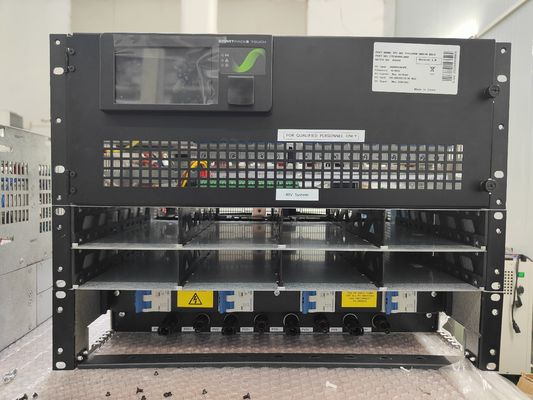
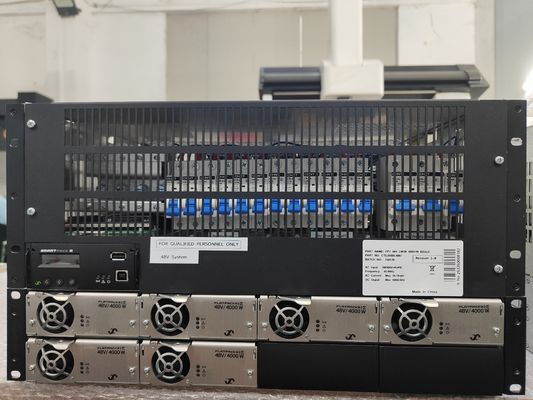
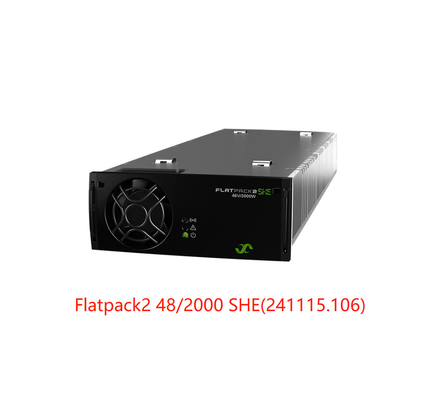
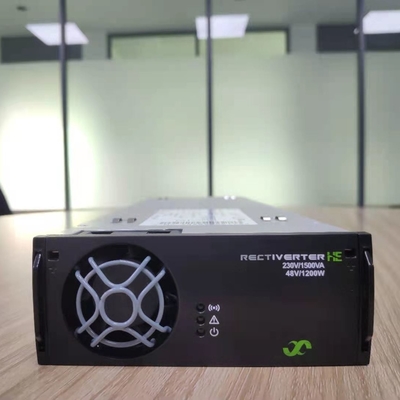
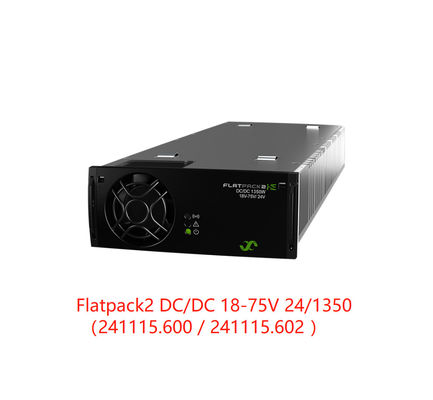
Χρησιμοποιώντας τηνΣύστημα Flatpack2 DCDC 380V 54V, τα κέντρα δεδομένων μπορούν να μετατρέψουν την τάση λεωφορείου 380VDC απευθείας στην τάση 48V/54V που απαιτείται από τα ράφια διακομιστών.
· Παραμετρικό γεγονός: Το σύστημα διαθέτει μέγιστη απόδοση μετατροπής980,2%(Δελτίο δεδομένων σελίδα 2). Σε σύγκριση με τα παραδοσιακά UPS, αυτή η αρχιτεκτονική αφαιρεί τουλάχιστον ένα στάδιο μετατροπής ισχύος, μειώνοντας σημαντικά την αποτελεσματικότητα χρήσης ενέργειας (PUE) της εγκατάστασης.
2Εξαιρετική αξιοπιστία και απομόνωση
Η ασφάλεια είναι το πρωταρχικό κριτήριο επιλογής για τα ευρωπαϊκά κέντρα δεδομένων.
· Γκαλβανική μόνωση: Το σύστημα παρέχει4.2 απομόνωση εισόδου/εξόδου kVDC, διασφαλίζοντας ότι οι διακυμάνσεις στην υψηλής τάσης πλευρά συνεχούς ρεύματος δεν φτάνουν σε ευαίσθητους εξοπλισμούς πληροφορικής.
· Απλουστευμένη απόλυσηΤο Flatpack2 υποστηρίζει την αλληλεπικάλυψη με μεμονωμένη αναπληρωματικότητα, με ακριβή κατανάλωση ρεύματος± 5%, επιτρέποντας N+1 ή 2N backup χωρίς σύνθετη λογική συγχρονισμού.
Κριτικές παραμέτρους επιλογής
Κατά την εκτέλεση μετάβασης από εναλλασσόμενο σε συνεχές, οι μηχανικοί πρέπει να δίνουν προτεραιότητα στα ακόλουθα τεχνικά κριτήρια αναφοράς:
Δυναμική αντίδραση και ακρίβεια ρύθμισης
Το σύστημα Flatpack2 παρέχει μια εξαιρετική σταθερότητα τάσης σε περιβάλλοντα υπολογιστών υψηλής πυκνότητας στην Ευρώπη.±0,5% ρύθμιση στατικής τάσης. Κάτω από10% έως 90% βήμα φορτίου, ο χρόνος ανάκτησης της δυναμικής ρύθμισης είναι< 50 msΑυτό εξασφαλίζει ότι οι διακυμάνσεις τάσης εξόδου παραμένουν πολύ πιο σφιχτές από εκείνες που παρατηρούνται κατά την παραδοσιακή εναλλακτική μετάβαση.
Περιβαλλοντική ανθεκτικότητα και αποτύπωμα
Στα ευρωπαϊκά αστικά κέντρα, τα κέντρα δεδομένων είναι ακριβά.
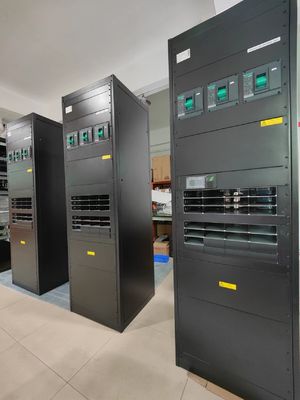
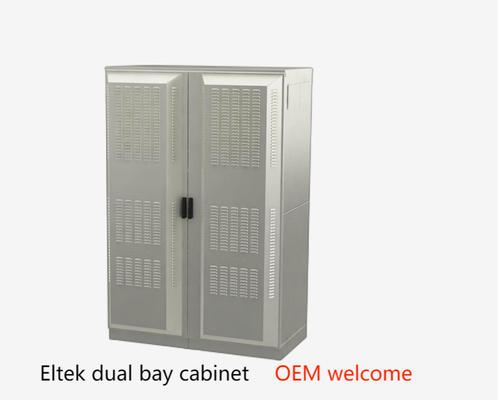
· Δυναμική πυκνότητα.: Ένα ενιαίο βιομηχανικό ντουλάπι (600 x 2000 x 600 mm) μπορεί να χωρέσει έως και108 kWΕιδικότερα, η2160 ΑΑυτό προσφέρει ένα σημαντικά μικρότερο αποτύπωμα σε σύγκριση με ένα ισοδύναμο AC-UPS και το σχετικό του εξοπλισμό διανομής.
· Ευρύ εύρος θερμοκρασίας: Το σύστημα λειτουργεί χωρίς να υποβαθμίζεται από-20°C έως +45°C, μειώνοντας την εξάρτηση από την επιθετική ψύξη ακριβείας.
Ψηφιακή ολοκλήρωση λειτουργίας και διαχείρισης
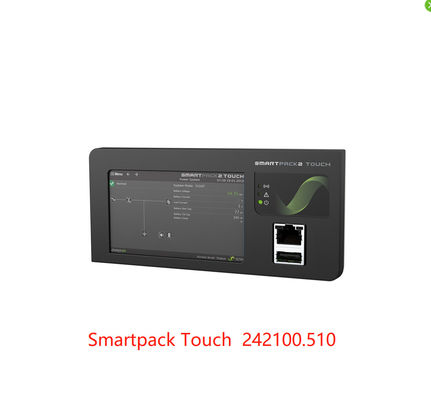
Μέσα από τηνΕλεγκτής Smartpack2, το σύστημα DC ενσωματώνεται απρόσκοπτα στις πλατφόρμες διαχείρισης υποδομής κέντρου δεδομένων (DCIM).Πρωτόκολλα SNMP και MODBUS, επιτρέπει στους χειριστές να παρακολουθούν την κατάσταση της μονάδας, τα σφάλματα γης και την κατανομή φορτίου σε πραγματικό χρόνο, διευκολύνοντας τη μετάβαση από την αντιδραστική σε προγνωστική συντήρηση.
Τεχνικό συμπέρασμα
Η μετάβαση από εναλλασσόμενο ρεύμα σε 380 VDC είναι κάτι περισσότερο από μια απλή αναβάθμιση της απόδοσης· είναι μια θεμελιώδης επιστροφή στην αρχιτεκτονική αξιοπιστία.Για τους φορείς εκμετάλλευσης που επιθυμούν να παραμείνουν ανταγωνιστικοί στην υψηλού κόστους ευρωπαϊκή αγορά ενέργειας, το σύστημα Flatpack2 DCDC παρέχει μια αποδεδειγμένη, υψηλής αποτελεσματικότητας και κλιμακώσιμη πορεία προς τα εμπρός.


 Το μήνυμά σας πρέπει να αποτελείται από 20-3.000 χαρακτήρες!